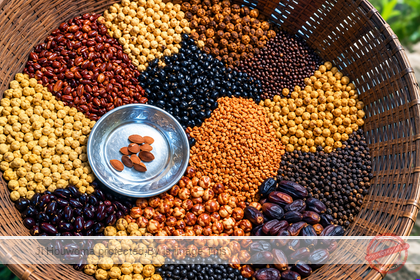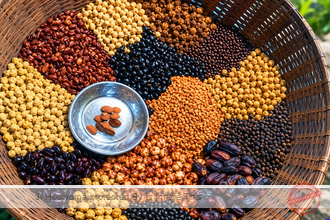


The routes established after Shakyamuni Buddha acquired enlightenment are Sravakayana, Mahayana, and Bajrayana, to name a few. The Bajrayana tradition, which has been embraced in the Kathmandu Valley, places a strong emphasis on charity in its many rites. Since ancient times, they have practiced many forms of gifting. Charity has evolved into a festival with designated days. One such festival is the Panchdana. Panchadan is referred to as Panjaran in Nepalbhasa. Five summer food donations are referred to as Panchdan. Rice, Paddy, Salt, Maize, and Pulses make up this season’s Five staple grains. The book “Pancha Dan and Buddhist Festival” mentions Panjara, Punya Dan, i.e. Punyaja or Pindja. Because the fundamental meaning of Panjran is kheer (Rice Pudding), it is common for Newars to make kheer (Rice Pudding) on this day, place it in a Pindapatra (Gulupa), and serve it to the Buddha, as well as feed everyone.

Since Nepal Sambat 512 Shravan Shukla Ashtami, this festival has been celebrated in Patan, as well as Kathmandu, Bhaktapur,Madhyapur-Thimi, Banepa, Panauti, Kirtipur, Nala, and Lhasa in Tibet (China), since Nepal Sambat 775 Bhadra Krishna Triodashi. The Pancha Dan celebration in Bhaktapur is unique and distinct from those held in Kathmandu Valley and other parts of Nepal.
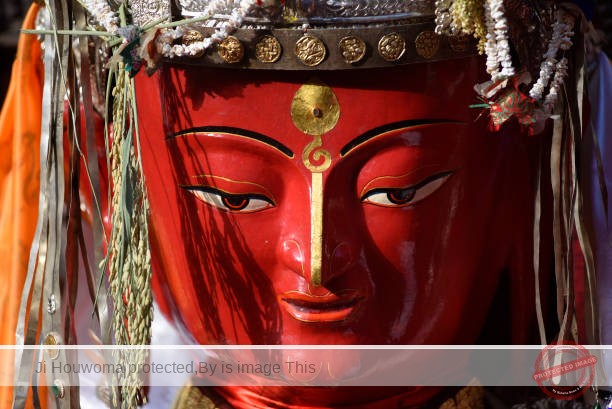
Jaydev Bajracharya introduced Pancha Dan during the reign of King Naresh Malla. Dipankar Buddhas enthroned in five historical and archeologically significant monasteries are commemorated in Bhaktapur. Traditional musical ensembles such as Gunla Baja, Dafa Bhajan Shringabheri Baja, and others perform their instruments during the Dipankar Buddha Yatra. Buddhist monuments from traditional monasteries, as well as texts, are also on show.
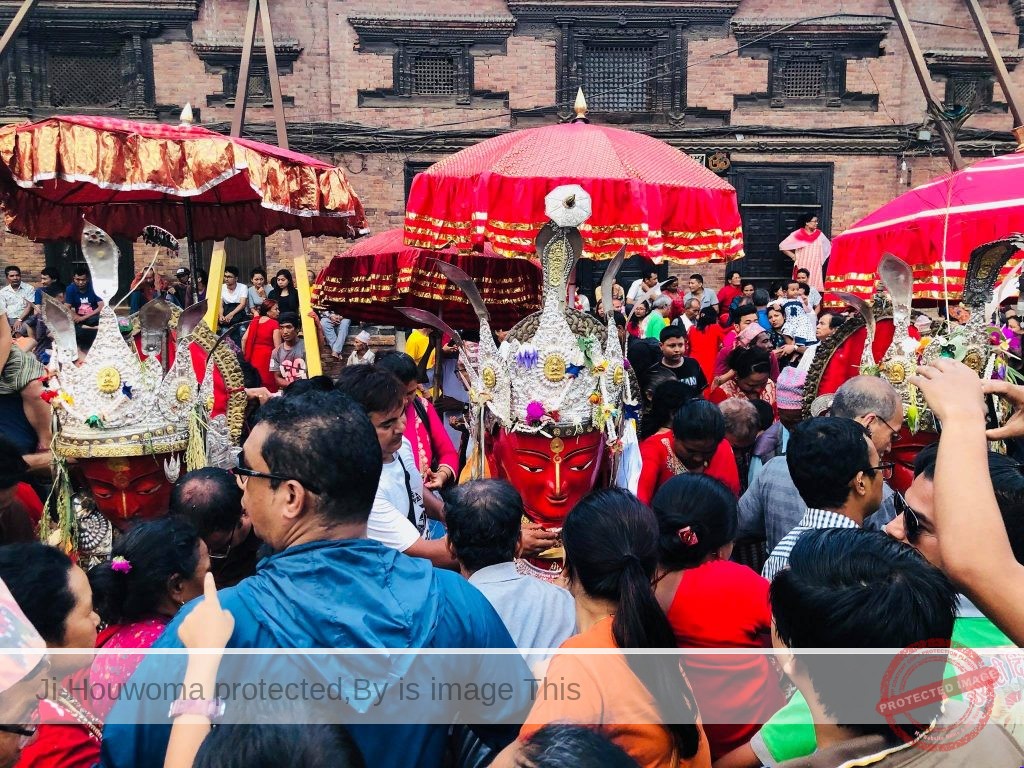
Prashanshil Mahavihar at Kwathandau, Bhaktapur Municipality 10, Jhorbahi of Golmadhi, Chatubramha Mahavihar of Sakotha, Thathubahi or Jayakirti Vihar of Tinkhyo, and Kuthubhi of Bharvacho, all Buddhist Samkrat Vihar. These Five Dipankars are gathered at Adipadma Mahavihar in Suryamadhi, Bhaktapur Municipality-9, before going across the city in this manner. The Five Dipankar Buddhas are circumambulated in all ten wards of Bhaktapur, including Bajagaja, after the special puja.

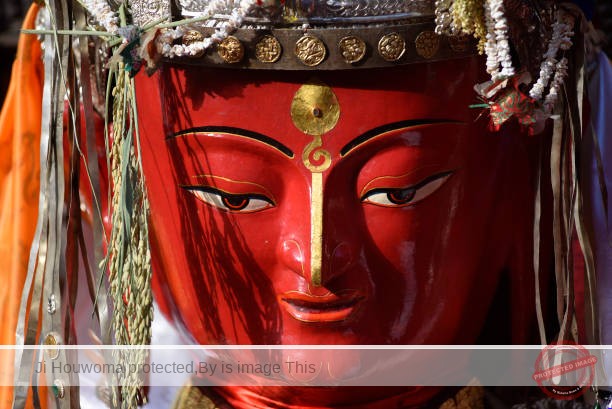
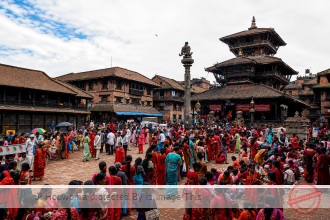
Buddhists have been begging with Pindapatra (Gulupa) in their palms alongside Dipankar Buddha, according to Buddhist tradition. The puja, which began in the previous Adipadma Mahavihar in Bhaktapur, is now held in Thathubahi in the city’s west. However, the Dipankar Panchdana celebration concludes in Taumadhi Square in Bhaktapur Municipality-5. By maintaining all Five Dipankars in Taumadhi Square in the West Dabali and playing various instruments, the combined Pancha Dan is conducted in a joyful mood.
Buddhists in Taumadhi Square play Gunla Baja, as well as Dan Gatha and Sotra Vachan, on this special occasion.