

Shri Navadurga Jatra is conducted every year on the basis of never giving up truth on the basis of the conflict between demons and humans that has been going on in human society since the maternal age. Along with the responsibilities of the separate identities of the gods, the feminine beauty of Non-Vegetarian and Vegetarian ,Women the responsibility of the eldest housewife, activities in Married Life, Hugine Education, Matina Naach, Child Showmanship, and Family Roles are also evident. In addition, the division of Individual Work, the structure of collective emotions, the importance of Five Colors(Pancha Rang), the identity of Food,, the roles of the Demons and the Gods in the war, the songs sung to the rhythm of the instrument, and the words of the language are all part of the procession.
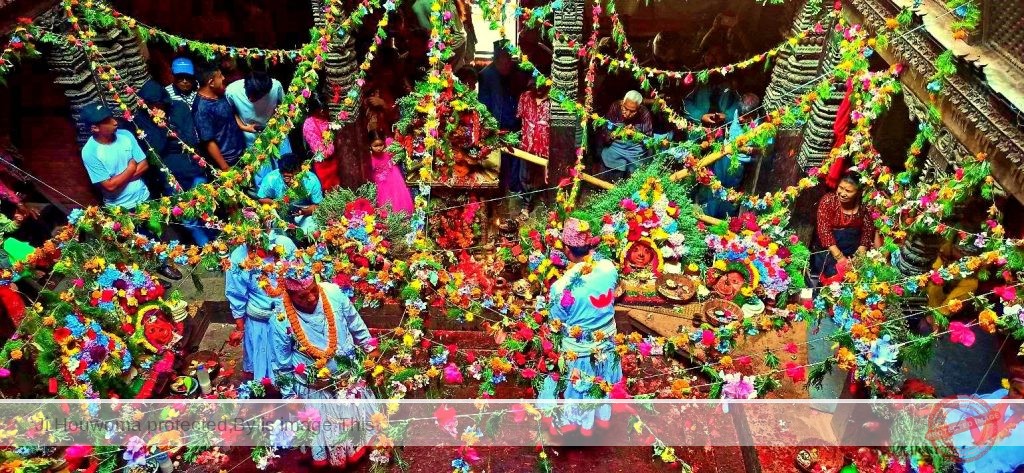
At least every year, festivals are held in various places, including Mukando Naach (Mask Dance), for Eight months. At least, Ngalakegu Jatra is held in 21 places in Bhaktapur city alone, while outside the district, Ngalakegu Jatra is held in Kathmandu district, Pashupati area, Jaya Bageshwori, Tokha Chapali, Budhanilkantha, Chudi Khel, Gokarna, Madhyapur-Thimi, Suryabinayak, Gamcha, Sakhu, Sankharapur, Chagunarayan, Kavre district, Sanga, Nala, Dhulikhel, Shree Khandapur, Banepa, and Panauti.
Also, for Four months, a procession is held on various dates without a Mukundo(Holy Mask) or worship is done in the temple(Dyo-Chhen). This Navadurga Devgan Jatra is the longest procession in Nepal with the aim of perpetuating the idea that humans die after birth, according to historical facts.
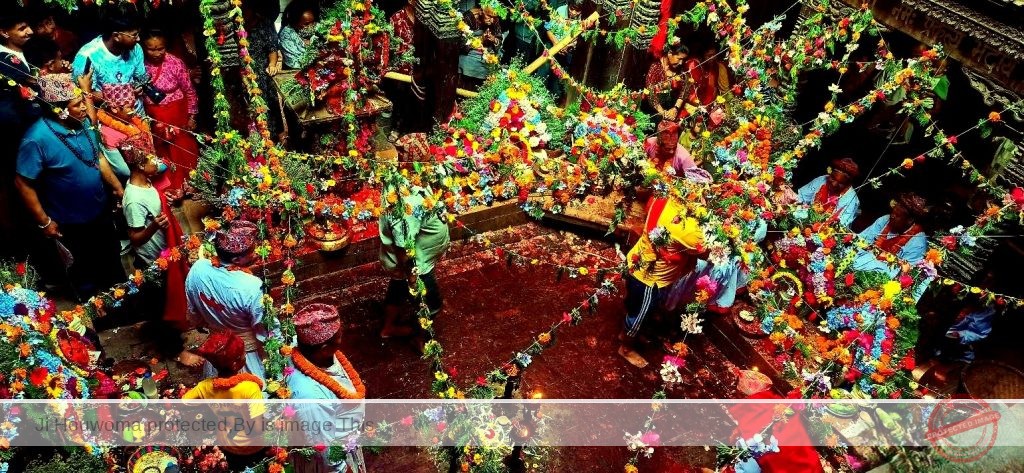
Accordingly, this year’s Dewali* Puja (Swa Chha) of Shri Navadurga Bhawani, based on the human society driven by the famous Malla period of the historical city of Bhaktapur, i.e. the worship of the ancestral gods of the gods, is a historical tradition. According to the Dewali* Puja, which is worshipped every year, in human society, the tradition of worshiping Dewali* is a message that the human body receives the necessary nutrition, food, cleanliness, and basic strength to cope with nature. It is clear from the Dewali* Puja of Navadurga Devgan.

Dewali*: Digu Puja:/ Dewali (Newar clans worship their ancestral deity (Kul Devta or Digu Dyo) during this yearly spring ceremony.)
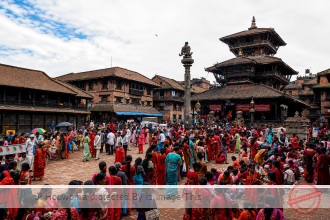
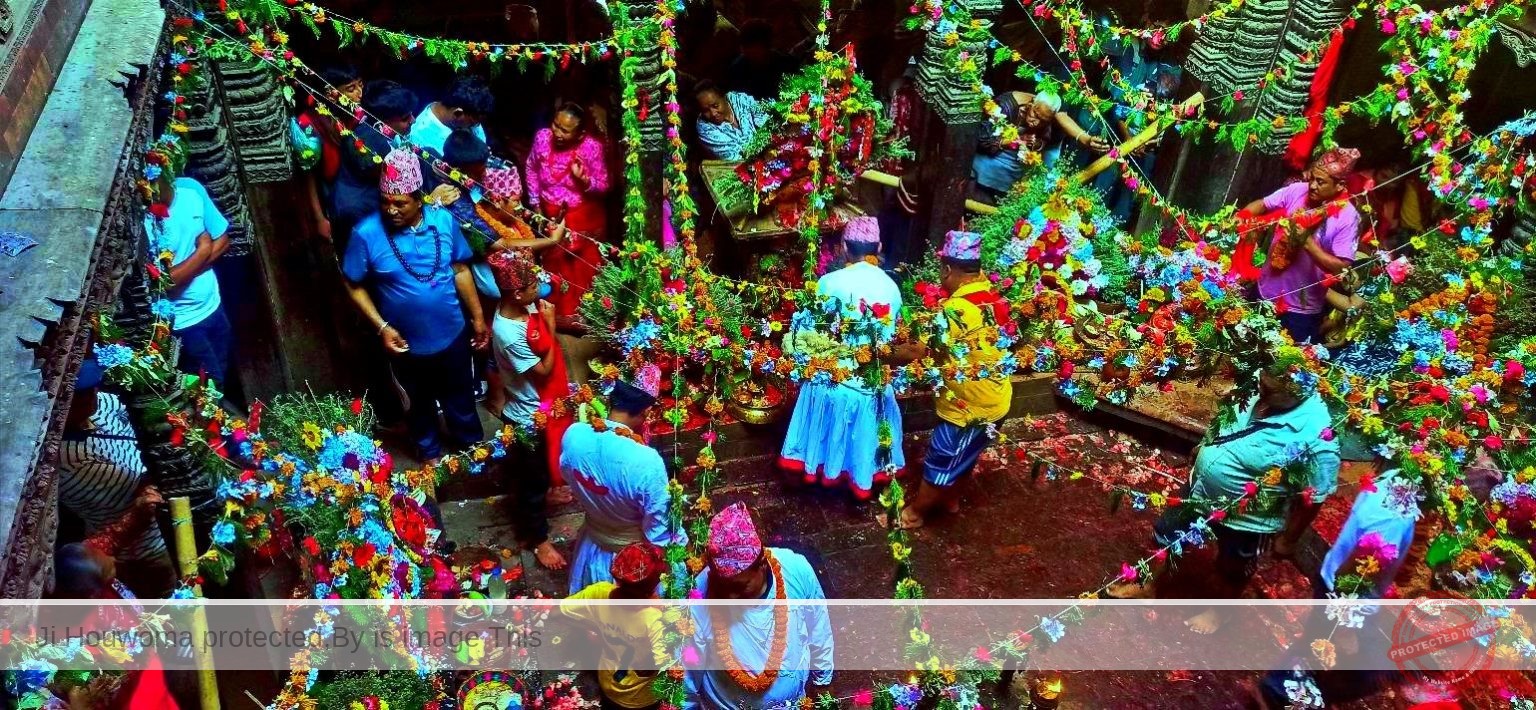
This year, the gods say that Diwali* Puja is being celebrated until the month of Asar* due to the extra month (or extra date) Alala Punhi, Alala Chanhe Tithi, which occurs once every three years, according to the date of the free month (or Malmas).With the hope that this year’s Dewali* Puja will be celebrated on Thursday, Ashar 4, 2083, with the participation of all the devas at the Shri Navadurga Temple, the festival will be celebrated with great enthusiasm from morning, with colorful flower garlands and all the necessary food items for Diwali* Puja. After eating various dishes throughout the year, on Diwali day, according to historical tradition, the gods and their families clean their homes and prepare the basic puja utensils. Each god and his family has to offer a rooster as a gift and perform daily rituals according to their ability. The puja begins with the preparation of puja. The temple premises are cleaned from morning and the idols of the gods are placed in the square.
Asar:* Asar, which falls between mid-June and mid-July, is the third month in Nepal’s official timekeeping system, the Bikram Sambat calendar. For agricultural communities all around the nation, it signifies the beginning of the critical rice-planting season and the height of the Monsoon season.
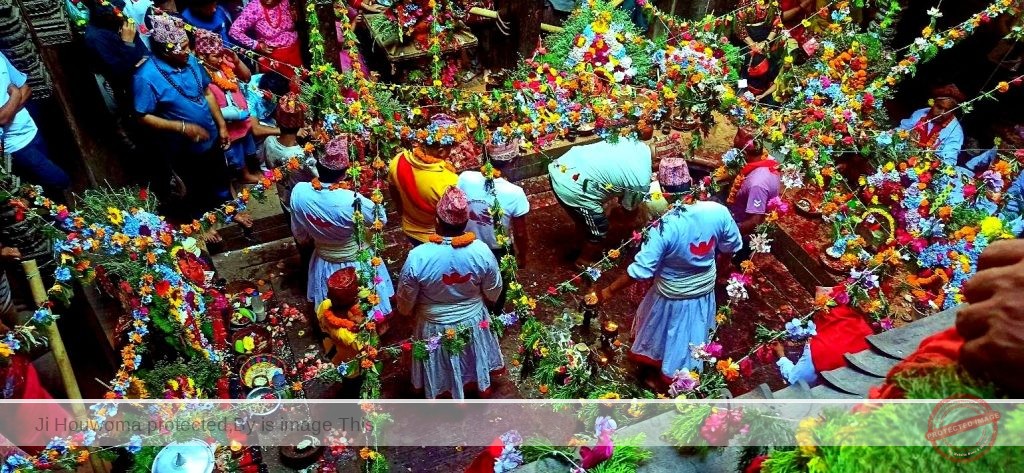
Preparations for the puja begin in the morning, with the temple grounds being cleaned and the idols of the deities placed in the square. Immediately after this, the deities enter the temple with the puja instruments, playing various instruments, Bhairav, Mahakali, Varahi, Kumari, Dhomha Pomi, Datimha Pomi, Phimha Pomi, Ganesh, Brahmayani, Maheshwari, Bhadrakali, etc. Finally, before going to the temple, the main puja is performed and the last sacrifice is the sacrifice of a sheep.
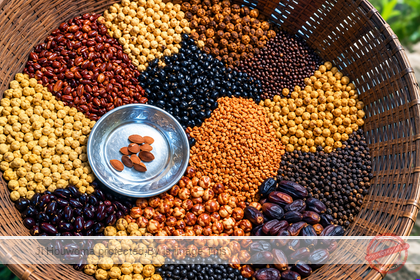
During the worship, the three deities, Bhairav ,MahaKali ,Barahi, are dressed in White Robes (ghajin) and are worshipped in the temple courtyard, garlanding the deities with flowers. In addition, the day-long worship is based on historical legend, and there is also a popular belief that if there is no rain at some point, then the monsoon rains will begin on the day of Diwali Puja of Navadurga.According to the cultural tradition of the Newar caste, the tradition of worshipping Devali on one day of the year, wishing good health and success in one’s work, seems to have started with the Navadurga Devgan from the Matri Satapti period. On the same day, the entire family of the Devgan receives prasad with joy and happiness. According to the gods, it is said that those who prepare and offer to the gods on the day of Diwali Puja, who have received the offerings of the gods throughout the year, will be liberated and prosperous. Among the various dishes, it is customary to offer all the dishes, including egg-based dishes, chatamari, strong alcohol, samhevji, meat dishes, goja achheta, flower garlands, fruit dishes, and satung dalli.

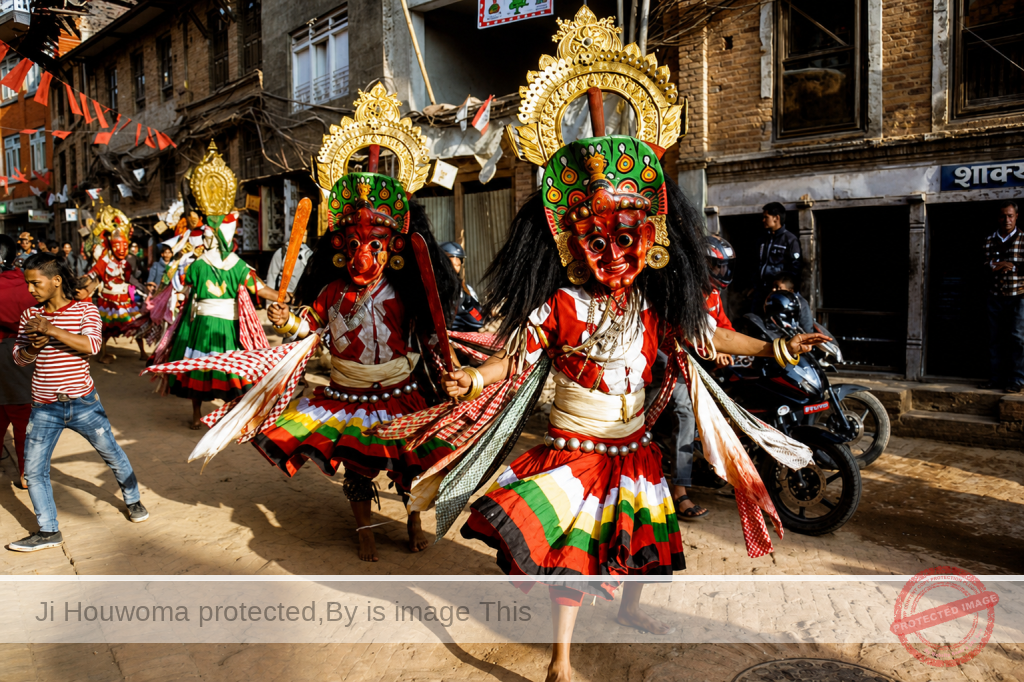
This year’s Navadurga Devgan Jatra will also conclude in the final phase after eight days on Thursday, 2083.03.11, with the Ngalakegu Jatra at Ichhu Tol in the Durbar area. After that, ten days later, the Sinja Nakegu (last feast) will be held at Talej Mulchowk on Sunday, Asad 21. Immediately after that, on Tuesday, 2083 Asad 23, on the day of Bhalbhal Astami, the Mukundo Jala will be performed at Ward No. 9, Brahamayani Peeth, along with the Nyakhi Baja.
This year’s Navadurga Jatra will be concluded with the Jale Vijayakegu. All the devotees will come to this city and visit the Diwali Puja program and to inform them about the historical tradition of Navadurga.